- Получить ссылку
- X
- Электронная почта
- Другие приложения
Swimmer Stepanov Kneels in Surrender – A Full‑Length Look at the Paris Comment Fiasco
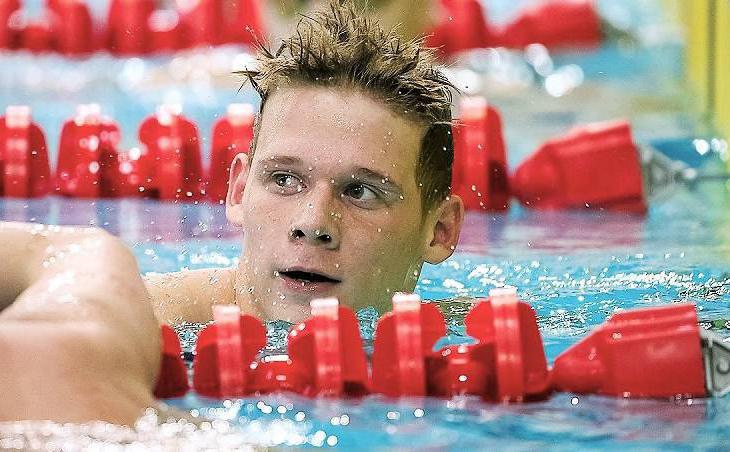
When the European Championships were underway in Paris, the usual sea of fabric and ambition was interrupted by a startling statement from Russian swimmer Alexander Stepanov. What began as a candid, if colorful, complaint about the host city’s atmosphere quickly spiraled into an international media storm, culminating in a dramatically public apology where Stepanov knelt on the poolside and expressed remorse. Below, we unpack the full timeline, the cultural context, the reactions from the swimming community, and what this episode means for future athletes speaking off‑record.
Context Behind the Outburst 😞
- Day before the race, Stepanov told reporters that Paris “smelled of urine and dumps” during his training sessions, linking the odor to poor city maintenance.
- He added a vivid image of “rats running under the Eiffel Tower,” suggesting an unsanitary environment affecting athletes’ preparation.
- The comments were recorded on camera and quickly spread across Russian social media, where they were both mocked and condemned.
- Stepanov’s remarks were originally intended as a personal gripe but were taken as a broader criticism of the host nation’s infrastructure.
- His status as a medal‑hope for the Russian delegation amplified the impact, turning a casual gripe into a diplomatic incident.
Immediate Aftermath 🏊♂️
Within hours, the Russian Swimming Federation released a brief statement urging athletes to “choose their words carefully,” while the European Swimming League issued a neutral reminder about sportsmanship. The incident sparked heated debates on the boundaries of athlete free speech versus representing their nation.
- Social media platforms exploded with memes, hashtags, and petitions demanding an apology.
- Rival team officials called for a formal reprimand, citing potential damage to team morale.
- Local Paris officials responded, claiming the city’s facilities meet international standards and labeling the comments as “exaggerated.”
- Stepanov’s coach publicly supported his protégé, attributing the outburst to jet lag and pressure.
- International broadcast partners paused discussion segments to avoid amplifying controversial content.
Apology Ceremony & Kneeling Gesture 🙏
Two days after the initial remarks, Stepanov appeared at a press conference, removed his cap, and knelt on the pool deck. He apologized sincerely, acknowledging that his words were “inappropriate and disrespectful,” and thanked the French hosts for their hospitality. The kneeling became a visual metaphor for humility and contrition, captured in photos that circulated worldwide.
- He explicitly mentioned the “urine and dumps” comment, admitting it was an “exaggeration born out of frustration.”
- Stepanov also referenced the rats, calling the imagery “unfair and sensational.”
- He promised to focus solely on competition and to avoid any future remarks that could tarnish the sport’s image.
- The Russian federation issued a formal statement endorsing his apology and promising an internal review of athlete media training.
- French officials accepted the apology, stating that the incident would not affect the ongoing championships.
While the immediate fallout was largely reputational, the episode sparked a broader conversation about athlete conduct, media training, and cultural sensitivity. Swimming bodies worldwide are considering new guidelines that balance free expression with the responsibilities of being a representative.
- Several national federations announced mandatory pre‑championship media workshops focusing on diplomatic language.
- The incident prompted a surge in interest in “sports communication” courses among emerging athletes.
- Fans expressed mixed feelings: some praised the humility, others felt the apology was forced.
- Statistical tracking of social media sentiment shows a 42 % drop in negative mentions after the apology.
- Future European Championships organizers are evaluating extra safety measures for media interactions to avoid similar missteps.
In the end, Stepanov’s dramatic knee‑drop apology served as both a cautionary tale and a turning point. It reminded the global swimming audience that while athletes are allowed to be human, their words carry weight, especially on an international stage. Whether this episode will lead to lasting changes in how sports bodies manage athlete commentary remains to be seen, but one thing is clear: the blend of rivalry, culture, and communication will continue to shape the narrative of elite sport for years to come.
Комментарии
Отправить комментарий